Longteng Bridge Visitor Facilities: Toilets, Parking, Food and Supplies
Facilities are much less concentrated in the mountains than in town. Knowing where services are likely to be available matters more than choosing one particular shop. This guide explains facility types, their general distribution and what to check before leaving.

Main service areas
Sanyi town and Shengxing
Near the ruins
Mainly toilets and parking
Supply strategy
Prepare in town first
Payment advice
Carry cash for small vendors
Use toilets before walking
There are few or no toilets on remote trails and long sections of the former railway.
Schedule meals
Hillside restaurants can be busiest around lunch; timing makes a difference.
Refuel before the hills
Do not expect convenient fuel or charging stops along mountain roads.
Why doesn’t this page list individual businesses?
This is an independent, nonprofit destination information site, not a hotel or table-booking platform. Individual businesses’ opening times, prices and service quality change. A static list can quickly go stale, whereas travelers need a dependable way to assess their options.
Accordingly, we focus on facility types, likely locations and pre-trip checks. Use on-site signs and relevant official notices for actual hours, charges and restrictions.
Toilets: Use an available one before proceeding
In brief: Public toilets may be available around the main sightseeing and parking areas, but are scarce on hillside trails and much of the Old Mountain Line.
- Longteng Bridge area: Public toilets serve parking and principal visitor paths. Actual availability follows on-site notices; temporary toilets may be provided during special events or holidays.
- Old Mountain Line between Shengxing and Longteng: Facilities can be found around Shengxing Station and rail bike stations, but not generally between remote track sections and tunnels.
- Sanyi town and the interchange: Convenience stores, petrol stations and chain eateries may offer toilets and are generally more reliable places to plan a stop.
Use the restroom in town or at Shengxing before a longer outing. Basic facilities may not provide tissue or hand soap, so carry your own. Do not relieve yourself in creek beds, woodland or historic ruins: both heritage and ecosystems need protection.
Parking: Park properly before you walk
In brief: Parking areas exist near principal attractions but can fill quickly on weekends and during flowering seasons.
- Longteng Bridge: Parking is generally available near the attraction, often without charge, but holiday demand may fill spaces around midmorning and trigger traffic direction or shuttles.
- Shengxing Station and Old Street: Spaces are limited and lanes narrow. Weekend one-way restrictions or pedestrian arrangements may apply; arriving early or parking farther out may be preferable.
- Alternative approach: Depending on available services, park around Sanyi town or the interchange and use a tourist bus, taxi or suitable rail bike itinerary to connect destinations.
Many mountain roads are narrow and difficult for opposing traffic to pass. Illegal roadside stops can block the whole road as well as attract fines. Fog may reduce afternoon visibility, so give yourself extra return travel time.
See how to choose parking and mountain road transportation.
Food: Build lunch into the itinerary
In brief: The greatest concentration of dining options is in Sanyi town and Shengxing Old Street, not at the ruins themselves.
- Bridge sightseeing area: Expect a limited choice of drinks, ice treats or light snacks from small vendors rather than a reliable full meal. Holiday queues can be long.
- Shengxing Old Street: Hakka shared dishes, noodles, flat rice noodles and snacks are common. Noon to 1:30 p.m. can be busiest; eat earlier or later if your schedule permits.
- Sanyi town, woodcarving streets and Highway 13: A wider mix of noodle shops, simple set meals, convenience stores and potentially vegetarian or child-friendly choices.
Hakka restaurants often focus on shared plates; solo travelers or small groups may prefer noodles or snacks. Rural businesses can close earlier in the evening, so consider returning to town for dinner.
Read Sanyi’s food options.
Accommodation: Where you stay affects the morning
In brief: Consider Sanyi town, the Shengxing/Longteng area and surrounding cities. Staying closer to the ruins gives more flexibility for early starts, while town offers more services.
- Sanyi town: Hotels and business accommodation, plus the widest range of everyday conveniences, useful especially when relying on public transport.
- Shengxing and Longteng hills: Smaller guesthouses, with fewer rooms that can book up quickly on holidays; convenient for early visits before traffic rises.
- Surrounding cities: Miaoli City and parts of Taichung offer a larger choice of rooms and prices, suitable for drivers with flexible itineraries.
Mountain guesthouse access roads and night lighting may be limited. Aim to arrive before late evening, ideally by 5 p.m. Holiday periods and firefly season in April–May can be busy. If using the rail bike the next day, prioritize access to the actual check-in station.
Read where to stay.
Shops and supplies: Buy what you need before climbing into the hills
In brief: Convenience stores cluster in town and around the highway interchange, not along remote trails.
- Convenience stores: Useful for drinking water, light food, rain gear and basic first-aid supplies.
- Supermarkets and farmers’ association stores: In town, these may offer fruit, bread and electrolyte drinks for family groups.
- Souvenirs: Woodcarving streets and Old Street specialize in craft objects, Hakka sauces and pastries; these are shopping areas, not substitutes for essential supplies.
Carry at least one liter of drinking water per person, with more in summer. A power bank, wet wipes, insect repellent and basic first aid are sensible. Take all rubbish back out, as bins may be scarce or absent on mountain routes.
Fuel and EV charging: Top up before the mountain roads
In brief: Petrol stations and most EV charging options are in Sanyi town and around the interchange, not on remote roads such as Mia 49 or Mia 51.
- Petrol: Refuel in town or along Highway 13 before entering the Old Mountain Line hills.
- EVs: Public charging may be available around town and the interchange, including ordinary and faster chargers; do not assume charging along the old railway.
- Range: Curving, climbing roads use more energy than level urban travel. As a conservative planning margin, estimate enough charge for the return journey plus approximately 30% reserve.
Download the return route and alternate roads while you have reception. Winter fog and summer heat can affect vehicle energy use, so preserve a comfortable range margin.
Medical help and emergencies: Call first, then move safely
In brief: Sanyi has primary-care clinics and local public health services. Major emergencies may require transfer to larger hospitals in Miaoli or Taichung.
- Primary care: Township clinics and the health center may address routine injuries or illness, often during weekday daytime hours.
- Major emergencies: Transfer to regional hospitals in Miaoli or Taichung may take roughly 30–60 minutes, depending on conditions.
- Emergency calls: 119 for fire and ambulance, 110 for police; try 112 if ordinary cellular contact fails.
Travel together on remote roads and tell someone your route and planned return time. After bee stings or snakebites, stay calm, limit activity and seek care; never cut or suck a wound. In summer, watch for heat illness such as dizziness, nausea and loss of sweating; move into shade, cool down and hydrate while obtaining assistance.
Mobile reception and money: Save information in advance
In brief: Town reception is generally better than in valleys or tunnel sections, and ATMs should not be assumed at the ruins.
- Mobile service: Connections may be reasonable in town and busy attractions but weak or absent around Mia 51, tunnels and creek valleys.
- ATMs and payments: Look around town’s convenience stores, post office or farmers’ association. Small vendors and Old Street stalls may prefer cash rather than electronic payments.
- Offline preparation: Download maps and save screenshots of tickets and reservations before entering the hills.
Share a meeting place and time with companions in case of separation. Consider carrying emergency contact information for children and older travelers on paper.
Families and accessibility: Easier and restricted routes
In brief: Main parking and viewpoint areas tend to be easier than brick steps, old railway tracks and tunnels, which may not suit wheelchairs or strollers.
- Easier areas: Some surfaces between designated parking and the main viewpoint may be relatively level, allowing limited stroller or wheelchair movement.
- Difficult areas: Routes toward creek beds, brick steps and old railway sections may include stairs, gravel or steep slopes. Do not assume wheelchair or stroller access.
- Family facilities: Consider visitor-service points or town facilities for feeding and diaper changing; do not assume dedicated childcare facilities at the bridge.
Keep small children close. Some slopes and creek edges around the ruins lack complete barriers; climbing masonry is unsafe and damages a protected historic site.
See visiting with children and limited-mobility routes.
Final pre-trip checklist
Transport
- Confirm parking and traffic restrictions; consider transit or shuttle options on holidays.
- For a rail bike booking, check the ticket collection station, departure and check-in time.
- Know an alternate road route in case of unexpected closures.
Equipment
- Comfortable, non-slip shoes; brick and stone steps can be treacherous after rain.
- Raincoat, drinking water, insect repellent, basic first aid and a phone power bank.
- Extra warmth and wind protection in winter; shade and electrolyte drinks in summer.
Information
- Check the live forecast and chance of rainfall before entering the hills.
- Confirm opening and suspension announcements for the heritage area and rail bike.
- Screenshot maps and tickets in case mountain reception disappears.
Note: This guide describes typical facility categories and distribution, not guaranteed opening, prices or availability. Conditions change with seasons and events. Follow current on-site signs and official announcements.
Explore the location from different angles
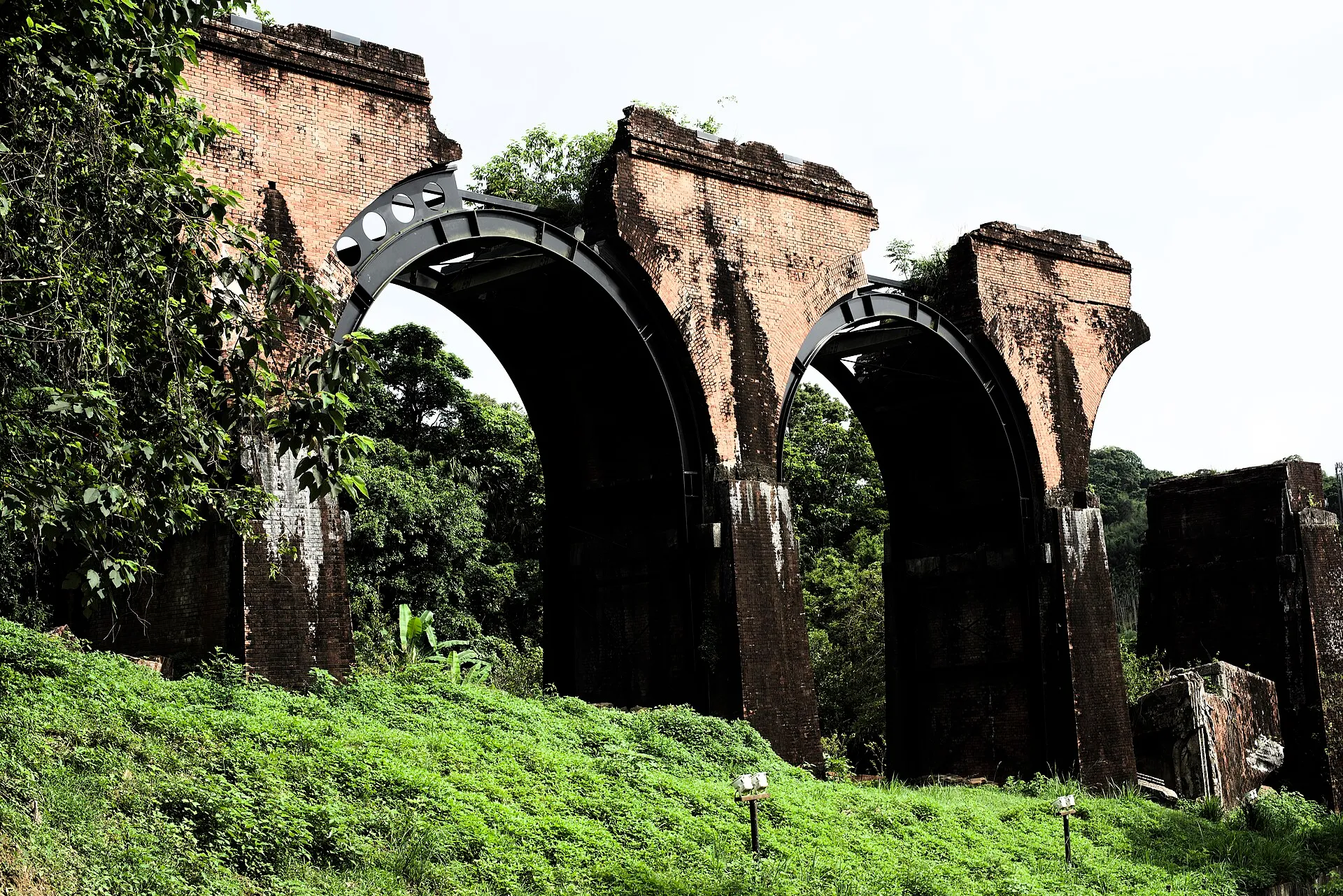
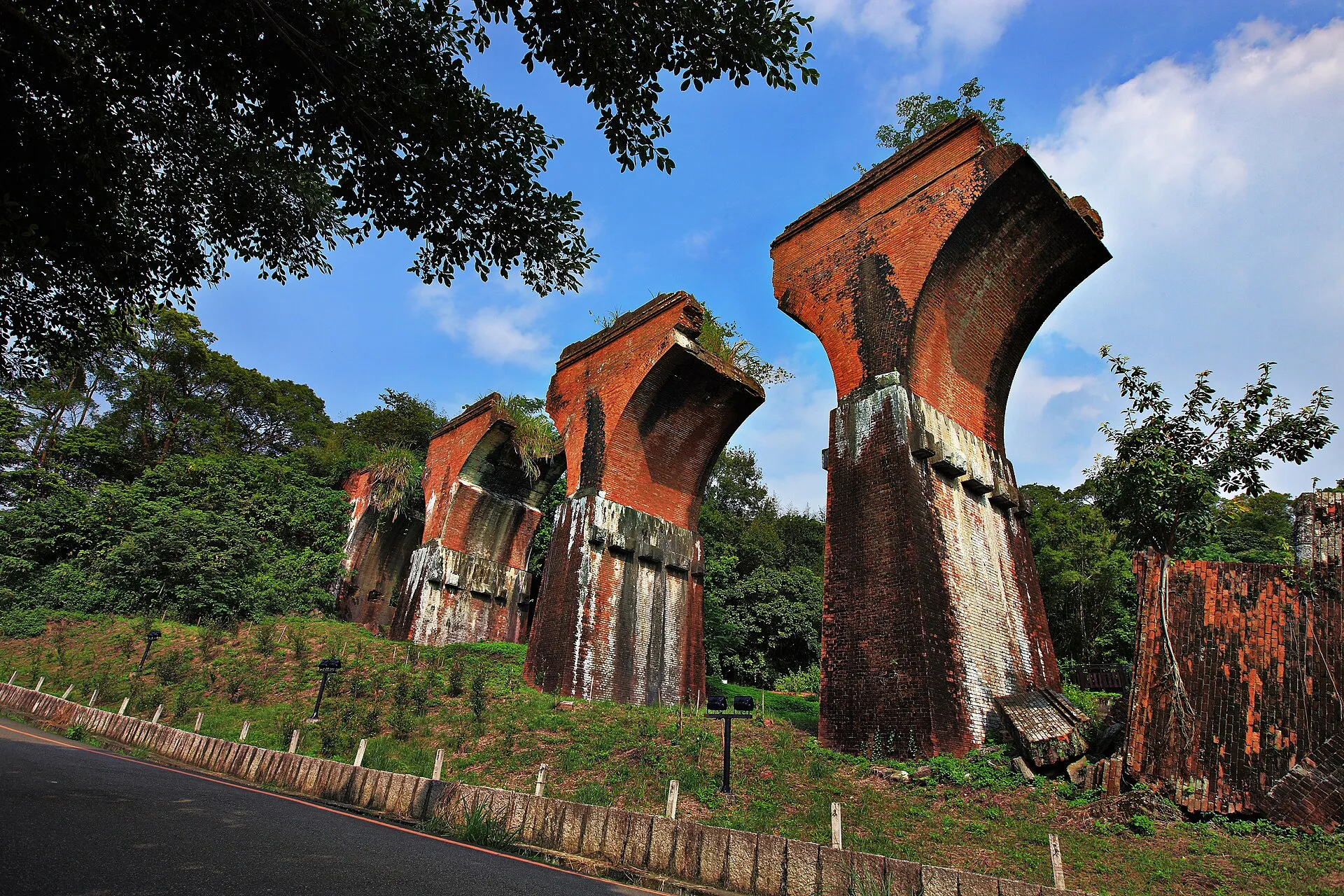
Plan your visit with Google Maps
Remains of Longteng Bridge (龍騰斷橋/魚藤坪斷橋)
Miaoli County Road 49, 367 Sanyi Township, Miaoli County, Taiwan
For official tourism information see Taiwan Tourism Administration (official tourism portal) . Map pins, reviews and business information change over time; follow road signs and on-site guidance for parking and walking routes.
Read next
- Visitor guide First Visit to Longteng Bridge: What to See and How Long to Stay A first-timer's guide to the main viewing area, visit duration, admission, photography, and how the rail bike differs from the bridge ruins.
- Parking guide Parking at Longteng Bridge: Ruins Viewpoint or Longteng Station? How to choose legal parking for the bridge ruins or rail-bike check-in station, with weekend and Google Maps tips.
- Where to stay Where to Stay in Sanyi: Longteng Bridge and Shengxing Choose accommodation for an overnight Sanyi trip by area, parking, family needs and the next day's route.